
Waterproof Caulking
Due to aging and water leak even the original sealant cracks or fails and needs to be maintained by waterproof caulking for areas that are exposed to moisture frequently.
- Different types for different applications
- Protecting your home from damages
- Improving your home Aesthetically
Get a Free Quote
Contact Us for friendly customer service and prompt
01
UV-resistant
It remains durable after being exposed to sunlight for an extended period of time
02
Moisture resistance
Building a strong barrier to keep water damage
03
Customized caulk
Based on the condition and surface that is going to be applied
04
Temperature resistance
Improve the energy efficiency by keep indoor heat
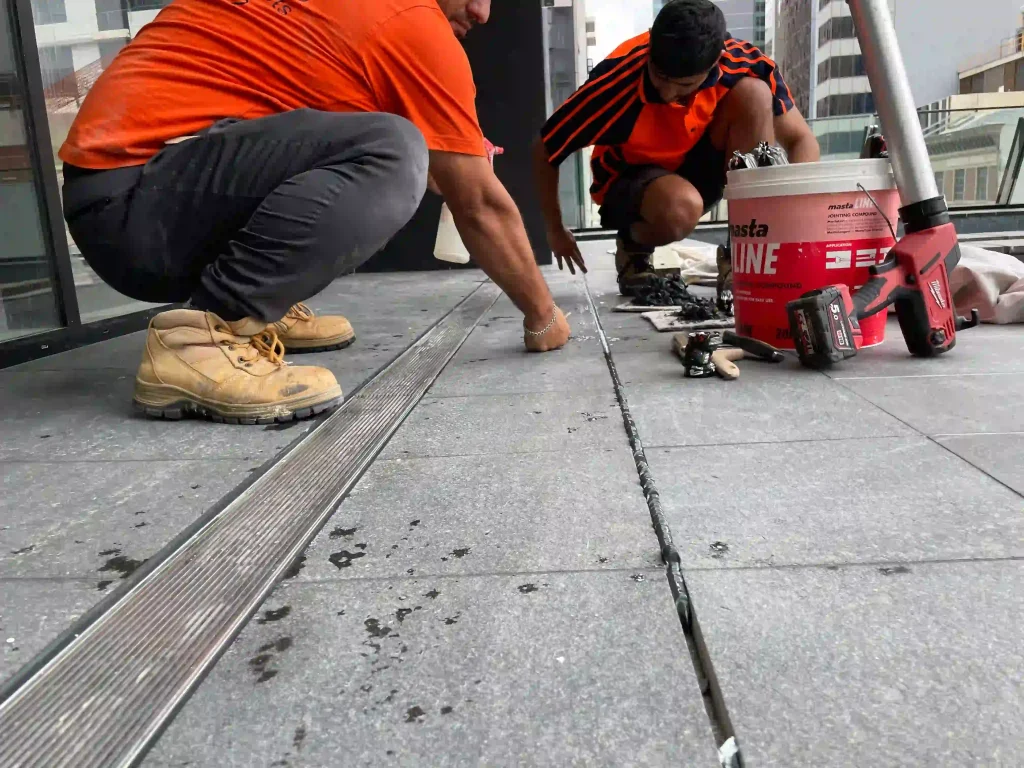
Joint Sealing Concrete – Waterproof Caulking for Full Protection
The durability, impermeability, and weather resistance of a concrete structure need periodic concrete joint sealing as an integral function. Our talented personnel seal concrete seams, cracks, and gaps with premium waterproof caulking at SS Seal and hence provide the best protection for your Outdoor waterproof caulking.
Most Innovative Waterproofing Solutions in Dubai
Modern technology has shifted away from traditional oil-and-clay caulks towards chemical-reaction polymers that “zip” together upon exposure to air or water vapor to form a waterproof barrier.
Innovative solutions include tri-polymer sealants like Lexel, which are highly durable and capable of adhering to surfaces even during active rainfall.
Additionally, multipurpose elastic sealants are considered an advancement over standard silicone because they can be “patched” or reapplied if the seal breaks, whereas silicone typically requires complete removal.
For structural gaps, high-grade self-levelling sealants such as CSL provide a superior solution by naturally filling deep into cracks in foundations and masonry.
Key Benefits of Using Waterproofing Solutions
Waterproofing solutions serve as a vital barrier that fills gaps between structures to prevent water passage. These materials are essential for protecting porous surfaces like wood and natural stone from environmental damage.
Beyond moisture protection, modern sealants can enhance the functional quality and lifespan of materials, such as making fabrics more water-repellent while maintaining softness.
They also provide a flexible seal that remains intact for many years when applied to properly cleaned and dried surfaces.
4 Top Reasons Why You Should Use a Weatherproofing Sealant in Dubai
Environmental Shielding: They are designed to protect surfaces from the combined damage of sun, rain, wind, and pollutants.
Structural Integrity: By keeping water away from wood joints and floorboards, they prevent the framing from rotting.
Prevention of Air Infiltration: Properly applied sealants block air from moving through structural gaps, improving insulation.
Weather Protection for Submerged Projects: They provide essential protection for underwater or semi-submerged aquatic settings.
4 Benefits of Waterproof Sealants That You Should Know
Water Penetration Prevention: They form a durable, flexible seal specifically designed to stop water ingress.
Antimicrobial Properties: Many professional-grade sealants include antimicrobial additives to prevent the growth of mould and mildew in damp environments.
Flexibility and Movement: Sealants for windows and doors are designed to expand and contract with the seasons, maintaining a seal despite material movement.
Material Longevity: Applying a waterproof layer is a value-added process that helps products survive various environmental conditions for a longer period.
Waterproof Sealant for a Toilet Handle Leak
100% silicone is ideal for “waterproof situations” and binds exceptionally well to plastic and sinks. Silicone is highly versatile for bathroom repairs; for instance, it has been used successfully to glue a broken toilet tank lid back together.
Best Waterproof Sealant for Concrete Joints
The most recommended product for concrete is a tri-polymer sealant like Lexel, which offers superior adhesion compared to standard options. If using silicone, it is critical to select a neutral cure silicone; the more common acetic acid cure silicones react poorly with the highly alkaline nature of concrete and will not last. For expansion joints, high-grade self-levelling sealants are preferred because they flow into the crack to ensure a complete seal.
Chemicals Required for Permanent Waterproofing
Commonly used waterproofing chemicals include Bentonite, liquid rubber coatings, PVC membranes, and bituminous coatings. Other permanent solutions involve polyurethane membranes, epoxy-based systems, and cementitious compounds. These chemicals are selected based on the specific structure, such as urethanes or polysulfides for certain joint types.
Laminate Flooring and Waterproofing Sealants
It is not possible to make laminate flooring truly waterproof with a sealant. Laminate is a wood-based product (often plywood or hardwood layers), and the sources state that no wood floor should ever be considered waterproof; it can only be made water-resistant at best.
Role of Sealants in Exterior Wall Waterproofing
Sealants act as the primary defense against the elements, protecting the wall surface from sun, rain, and wind. They fill the gaps between different building layers or materials to prevent water from passing through the structure. For modern exteriors, elastomeric or polyurethane sealants are often preferred over silicone as they are generally paintable and adhere well to building materials like masonry and wood.
Sealing Bathroom Walls Without Caulking or Grout
To seal gaps where grout or caulk is missing, you should first use a grout saw to grind out any remaining debris or old material from the crevice. Once the area is thoroughly cleaned and dried, apply a silicone-based sealant with an antimicrobial additive. It is recommended to tool the sealant with a finger or a wet towel to ensure a smooth, professional finish.
Where Not to Caulk Around Windows
You should not caulk between the jambs and the openings. Furthermore, do not caulk the small gap located between the side jamb and the bottom sill (or stool) where the sliding sash rests, as this gap is an intentional part of the window’s design.
Our Services
Here are some examples of our recent concrete joint sealing projects, showcasing the quality and precision we bring to every job.
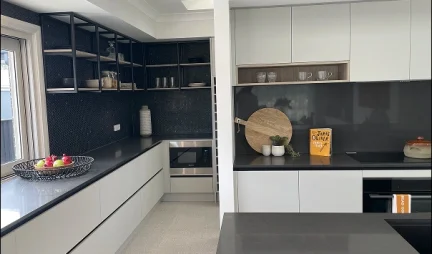
Waterproof caulking seals gaps and cracks to stop water leaks and moisture damage. It’s ideal for bathrooms, kitchens, windows, and exterior joints, helping protect your property and improve durability.
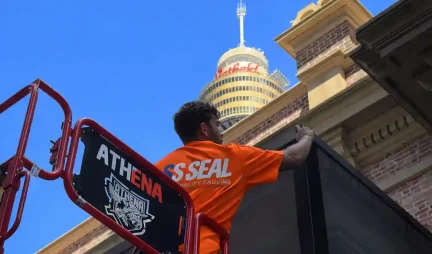
We provides professional commercial caulking to seal gaps and joints around windows, doors, bathrooms, and more. Our high-quality sealants prevent leaks and drafts while delivering a clean, long-lasting finish.
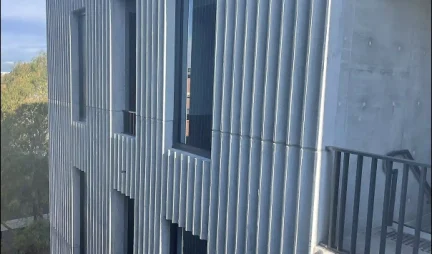
Siliconefinishers provides stone and paving caulking to seal joints and gaps in outdoor surfaces, helping prevent water damage, weed growth, and cracking. Our durable sealants deliver a clean finish and long-lasting protection.
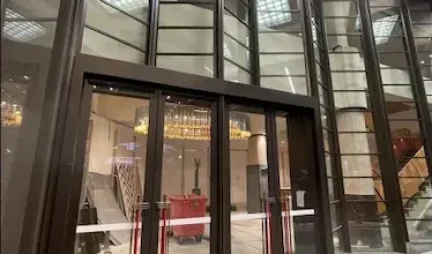
Siliconefinishers provides professional window and door sealing to block drafts, water leaks, dust, and noise. Our durable sealants improve comfort, energy efficiency, and deliver a clean, long-lasting finish.
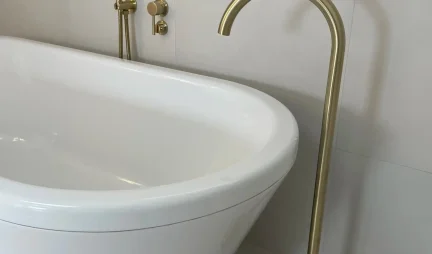
Seal gaps and joints around bathrooms, kitchens, windows, and doors. It helps prevent leaks and drafts while improving comfort and providing a neat, long-lasting finish.
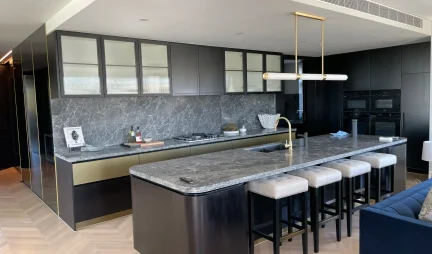
Siliconefinishers provides fire rated caulking to seal joints and penetrations with certified materials that help slow the spread of fire and smoke. It improves safety, compliance, and delivers a clean, durable finish.
Frequently Asked Questions
Here are a set of FAQs that can answer the questions about silicone sealants in you your mind.
What waterproof caulking for showers and bathtubs is the best?
Out of all types of waterproof caulk available for use on tubs and showers, waterproof silicone caulk for shower generally performs the best. Waterproof caulking for bathroom provides excellent adhesion, flexibility, and water, mold, and mildew resistance. Seek out a high-quality, 100% silicone caulk that says it’s specifically designed for bathroom use.
How do I apply waterproof caulking correctly?
Waterproof caulking must be applied on a surface that is absolutely clean and dry. Cut the nozzle off of your caulk tube at a 45-degree angle to punctuate the seal. Move the pistol along the joint, applying constant pressure to the pistol for even distribution. Use your finger, soaked in soapy water, or a caulking tool to smooth out the caulk for a professional finish.
How long does waterproof caulking last?
Several factors influence its lifetime, such as the ambient conditions, correctness of the application technique, and the quality of the product itself. In a bathroom, silicone caulk typically lasts five to ten years. Check the caulking at regular intervals for surface cracking or separation and reapply as needed.
Get a Free Quote
Contact Us for friendly customer service and prompt responses to all your inquiries!