
Fire Rated Caulking
“True prevention is not waiting for bad things to happen, it’s preventing things from happening in the first place.” You can use fire-rated caulking in order to avoid spreading fire, flame ,and smoke. Because it’s important to maintain walls , floors, and ceilings as well.
- Burning resistant high quality materials
- Improving overall fire safety
- Innovative solutions
- Protection
- Wide range of fire-rated products
Get a Free Quote
Contact Us for friendly customer service and prompt
01
Expansion Joints
To enhance the fire protection and avoid the spread of it
02
Structural strength
Ensuring that fire-resistant walls and obstacles retain their structural integrity through
03
Toxic smoke prevention
It avoids the expansion of the spread of smoke
04
Eco-friendly
Seal the gaps without sacrificing the environment
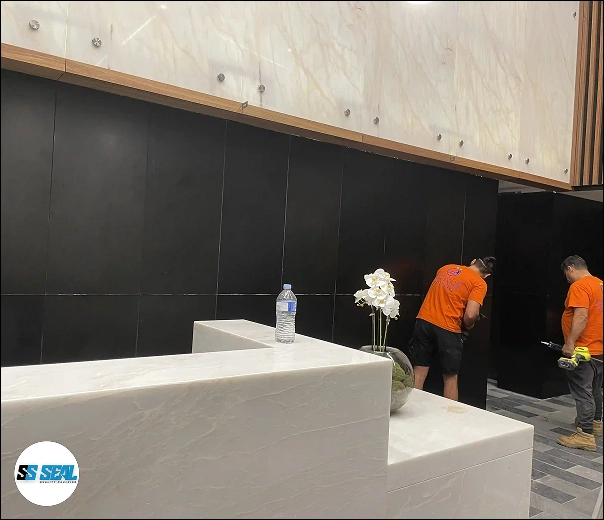
Superior protection for your building: Fire rated caulking
If a fire strikes, every second matters. Containing the spread of flames, smoke, and heat depends critically on fire rated caulking, which also offers priceless time for evacuation and reduces property damage. Understanding the value of fire safety, at SiliconeFinishers we provide premium fire certified caulking solutions to guard your structure and occupants.
fire rate caulking in Dubai
SS Seal in Dubai is recognized as a provider of superior fire-certified caulking solutions, positioning them as key Fire sealant Suppliers in UAE. These solutions are designed to safeguard both premises and residents by limiting the transmission of fire, heat, and smoke, furnishing invaluable moments for occupants to vacate and minimizing property harm.
For those seeking fire rated caulking in Dubai, SS Seal offers a diverse selection of products tailored to various requirements.
What is the difference between a fire caulk and a regular caulk?
While regular caulk is used for common household tasks like blocking moisture and air, fire caulk is a specialised safety product designed to maintain the integrity of a building during an emergency.
Difference Between Fire Caulk and Regular Caulk
The fundamental difference lies in their purpose and chemical properties:
- Purpose: Regular caulk is a general-purpose material used to seal cracks, joints, or seams to prevent the passage of air, water, or other fluids. In contrast, fire caulk (or firestop sealant) is a passive fire protection measure used to seal openings—such as those created by pipes, ducts, and electrical cables—passing through walls or floors.
- Performance: Fire sealants have a specific fire rating that indicates exactly how long the material can stop the passage of fire. Some firestop products are intumescent, meaning they expand when exposed to heat to create a tighter seal against fire, toxic gases, and smoke.
Containment: While regular caulk maintains a building’s “envelope” against the weather, fire caulk is designed to contain a fire within a specific compartment, slowing its spread to allow more time for evacuation.
Common Fire Caulking Mistakes
Using fire stop products incorrectly can compromise building safety. Common errors include:
- Ignoring Local Codes: Failing to understand the specific fire codes or the Authority Having Jurisdiction (AHJ) can lead to using the wrong materials for a specific assembly.
- Incorrect Ratings: Selecting a product that does not provide the required fire rating for the specific wall or floor penetration.
- Misjudging Penetration Size: Not properly analysing the size and number of penetrations to determine if a simple sealant is adequate or if a more robust system is needed.
Lack of Professional Guidance: Attempting to install complex fire stop systems without a qualified technician when the requirements are not fully understood.
Alternatives to Fire Caulk
Depending on the size of the gap and the type of penetration, other fire stop products may be used:
- Firestop Mortar Seals: A mixture of cement and fire-retardant chemicals that swells to fill openings, providing a fire rating of up to four hours.
- Mechanical Systems: This includes fire collars, intumescent pipe wraps, and wrap strips which are specifically designed for pipe penetrations.
- Barriers and Foam: Foam barrier systems and fire barrier panels can contain fire and prevent smoke from spreading through larger voids.
Structural Blocking: In residential construction, 2×4 blocking or fire-rated sheetrock (gypsum board) is often used to slow flames travelling through wall cavities or floors.
Fire rated caulking in Dubai cost
Siliconefinishers works with clients to assess specific needs and suggest the best material and methods, offering a bespoke solution that considers factors such as facility classification and local government regulations.
Our Services
Here are some examples of our recent concrete joint sealing projects, showcasing the quality and precision we bring to every job.
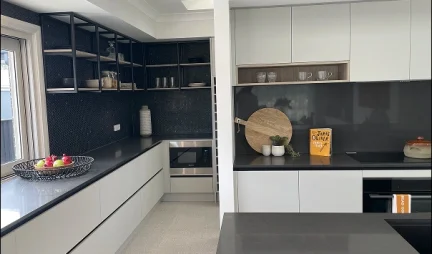
Waterproof caulking seals gaps and cracks to stop water leaks and moisture damage. It’s ideal for bathrooms, kitchens, windows, and exterior joints, helping protect your property and improve durability.
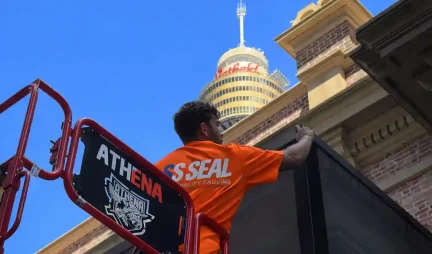
We provides professional commercial caulking to seal gaps and joints around windows, doors, bathrooms, and more. Our high-quality sealants prevent leaks and drafts while delivering a clean, long-lasting finish.
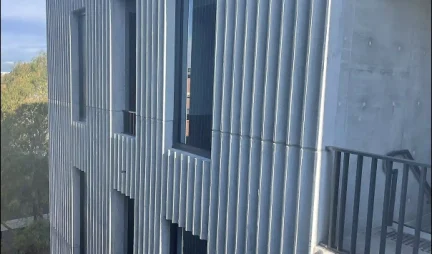
Siliconefinishers provides stone and paving caulking to seal joints and gaps in outdoor surfaces, helping prevent water damage, weed growth, and cracking. Our durable sealants deliver a clean finish and long-lasting protection.
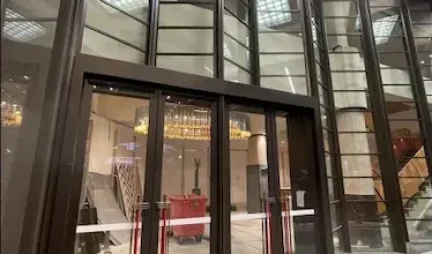
Siliconefinishers provides professional window and door sealing to block drafts, water leaks, dust, and noise. Our durable sealants improve comfort, energy efficiency, and deliver a clean, long-lasting finish.
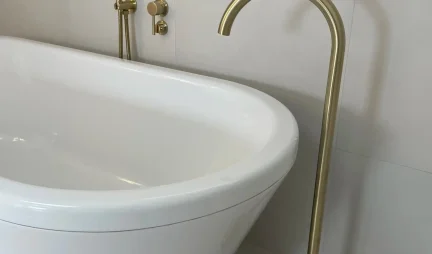
Seal gaps and joints around bathrooms, kitchens, windows, and doors. It helps prevent leaks and drafts while improving comfort and providing a neat, long-lasting finish.
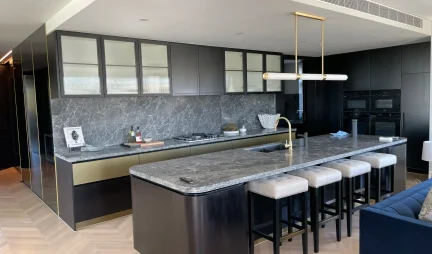
Siliconefinishers provides fire rated caulking to seal joints and penetrations with certified materials that help slow the spread of fire and smoke. It improves safety, compliance, and delivers a clean, durable finish.
Frequently Asked Questions
Here are a set of FAQs that can answer the questions about silicone sealants in you your mind.
In what areas of a building should fire caulking be applied?
Usually, fire caulking is applied to gaps in fire-rated walls, floors, and ceilings as well as around penetrations such as pipes, wires, and ducts. Because of their susceptibility to smoke and fire, these spaces require sealing for safety.
Who can apply caulk that stops fires?
To install fire sealants in accordance with the manufacturer’s specifications, the person installing the fire caulking must possess the training and qualifications provided by the firestopping sealants manufacturer.
What kinds of things are in fire caulking?
The materials that are used for fire sealant are made to withstand high temperatures. You can usually use fire-resistant putty or intumescent seals. When these things get hot, they expand and make a strong wall that keeps smoke and flames out.
Get a Free Quote
Contact Us for friendly customer service and prompt responses to all your inquiries!