
Stone & paving caulking
Seeking to enhance structural integrity , improve the stones’ appearance , and prevent water damage by filling cracks, gaps and joints ? Well, SiliconeFinishers stone caulking is recommended for interior and exterior applications .
- Improving energy efficiency
- Preventing trash and moisture from entering inside
- Maintaining the stability of stones both aesthetically and structurally.
01
Customized caulk
Based on the condition and stone’s types
02
Wall and floor sealing
To keep moisture and debris out of a stone floor and wall, seal the cracks and gaps
03
Temperature Resistance
It withstands various weather and heat conditions
04
Waterproofing
It avoids moisture and water leakage
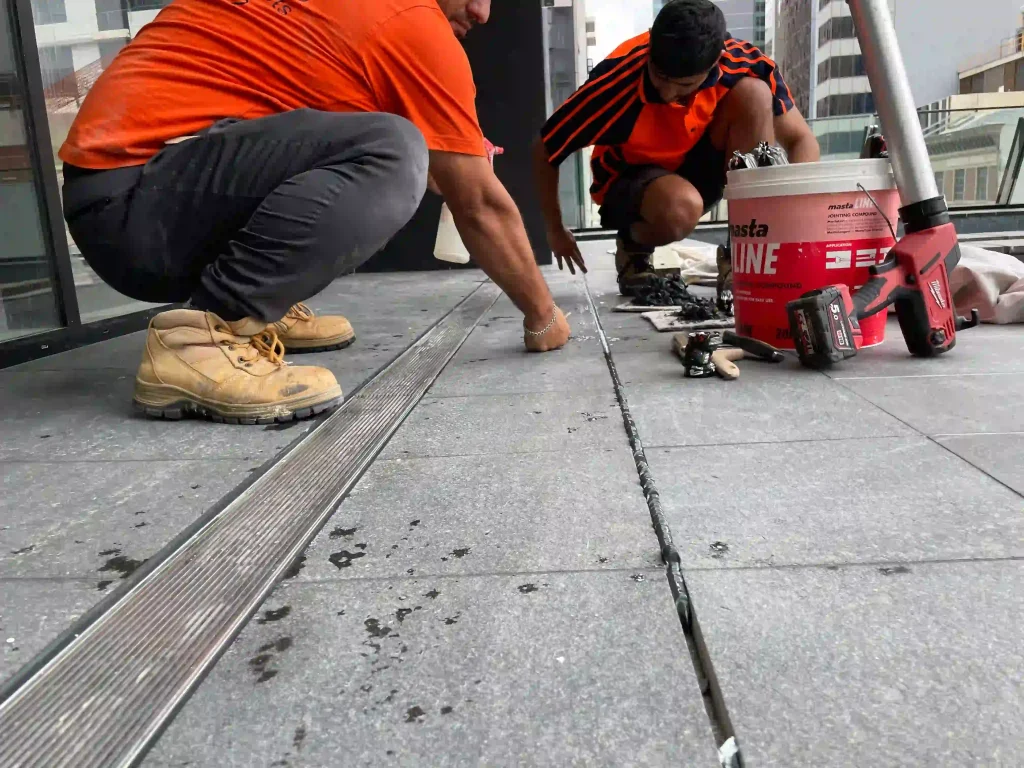
Caulking of Stone by Silicone Finishers
Caulking of stone surfaces maintains the value of aesthetic natural features in any home or business and makes sure they remain durable. At SiliconeFinishers, we offer quality caulking, tailor-made to individual customer needs, to maintain those perfect stone surfaces and protect them from the elements. Our expert solutions prevent water damage, staining, and wear of marble countertops, granite splashbacks, and other stone surfaces.
How to seal paving stones in Dubai?
Timing and Preparation
- Wait for Efflorescence: Wait 12 months before sealing to avoid trapping natural salts.
- Curing Base: Concrete bases require 28 to 30 days of curing to prevent peeling.
- Deep Cleaning: Pressure wash all debris and use specific cleaners for oil or rust.
- Drying Period: Let pavers dry for three days; ensure no rain is forecast for 24 hours.
Choosing the Right Sealer
- Appearance: Choose between wet-look (darkens color), satin, or matte (natural).
- Formulation: Water-based matte sealers are recommended for safety and penetration.
- Test Application: Always test a small area first to check the finish and performance.
Application Process
- Joint Filling: Install sand first; sealer helps bind the joints together.
- Spraying: Use a garden sprayer with 50% overlap until it slightly puddles.
- Rolling: Immediately roll out puddles for even coverage.
- Coating Checks: If water doesn’t bead once dry, apply a light second coat.
Maintenance and Considerations
- Longevity: Recoat every 3 to 4 years.
- Caveats: Poor application can cause discoloration (silver/grey), which is difficult to remove.
Do you need to seal granite paving?
Sealing granite paving is generally recommended to maintain its appearance and longevity, although its necessity can depend on the specific type of granite and its environmental exposure.
Here is a comprehensive breakdown of why and how you should consider sealing granite paving based on the sources:
The 12-Month Waiting Rule
A critical “rule of thumb” in the sources for any new paving, including natural stone, is that it should not be sealed for at least 12 months after laying. This waiting period allows salts and minerals (efflorescence) within the material to be drawn out naturally by the seasons. Sealing too early can trap these salts beneath the coating, which may ruin expensive materials because the stone “cannot breathe”.
Best Material for Block Paving Joints
Polymeric sand is widely considered the best choice for narrow joints (1/16″ to 1/2″) because it contains binders that lock pavers together, resists weed growth, and prevents erosion from rain. However, some professionals prefer standard sharp masonry sand for jobs where water must flow through the joints rather than being impeded.
For very tight joints where standard sand won’t fit, kiln-dried sand is the most effective because it is fine enough to flow into thin crevices.
Sealing Two Pieces of Granite Together
To seal or join granite slabs, a recommended granite sealer—which consists of petroleum or water-based resins—should be applied as a paste on the slab joints. This paste is left to dry or absorb into the pores of the granite to create a liquid-repellent barrier. For ongoing maintenance of the surface and joints, a simple car polish or a purpose-made granite sealer can be applied and buffed to maintain protection.
Filling Paving Stone Gaps
There are two primary methods for filling gaps:
- Dry Mix Method: Brush a 4:1 dry mix of builders’ sand and cement across the surface into the gaps without adding water. Compact the mix with a trowel and repeat until the gaps are filled.
- Polymeric Sand Method: Sweep the sand over the surface, use a vibratory plate machine or manual tamping to settle the sand into the cracks, sweep off the excess, and then mist with water to activate the hardening polymers.
Rain After Sealing Pavers
You should only apply sealer when no rain is forecast for at least 24 hours. If it rains immediately after application, it can interfere with the chemical bond or wash the sealer away before it has a chance to dry to the touch. If the pavers were recently cleaned, they must be allowed to dry for up to 3 days in a sunny area before the sealer is applied to ensure moisture isn’t trapped beneath the coating.
How does polymeric sand prevent weed growth between pavers?
Polymeric sand prevents weed growth by creating a hardened, semi-rigid barrier between paving stones that resists both germination from below and seed penetration from above. Its effectiveness stems from its unique composition and the chemical reaction that occurs during installation.
Installation and Maintenance for Effectiveness
To ensure the sand effectively prevents weeds, it must be installed correctly. This involves sweeping the sand into clean, dry joints and using a vibratory plate machine or broom to ensure it reaches the full depth of the pavers. The sand must then be misted with water to activate the binders.
Important Limitations
While polymeric sand is a highly effective deterrent, the sources note some practical considerations:
Surface Dirt: Weeds may still appear if windblown seeds land in a layer of dust, dirt, or organic debris that has settled on top of the hardened sand.
Durability: Some professionals suggest that the binders can eventually erode or “blow” after a few years, which may require the joints to be topped up or redone to maintain their weed-resistant properties.
Benefits of professional caulking and how Silicone finishers can help in Dubai
Aesthetics: Professional caulking provides cleaner, polished looks to stone features.
Water damage protection: Proper sealing avoids problems developed from stone surfaces due to moisture.
Sealing joints and gaps: The primary use of caulk is to fill and seal spaces between materials.
High-quality products and techniques: The best quality materials and methods shall be used by SiliconeFinishers to seal effectively.
Mold prevention: Proper caulking prevents the growth of mold on stone surfaces.
Prevention of structural damage: latent structural damages can be prevented by sealing joints.
Our Services
Here are some examples of our recent concrete joint sealing projects, showcasing the quality and precision we bring to every job.
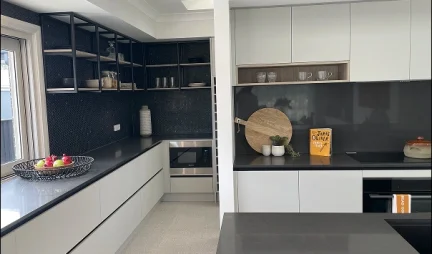
Waterproof caulking seals gaps and cracks to stop water leaks and moisture damage. It’s ideal for bathrooms, kitchens, windows, and exterior joints, helping protect your property and improve durability.

We provides professional commercial caulking to seal gaps and joints around windows, doors, bathrooms, and more. Our high-quality sealants prevent leaks and drafts while delivering a clean, long-lasting finish.
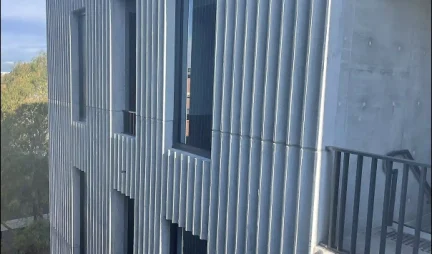
Siliconefinishers provides stone and paving caulking to seal joints and gaps in outdoor surfaces, helping prevent water damage, weed growth, and cracking. Our durable sealants deliver a clean finish and long-lasting protection.
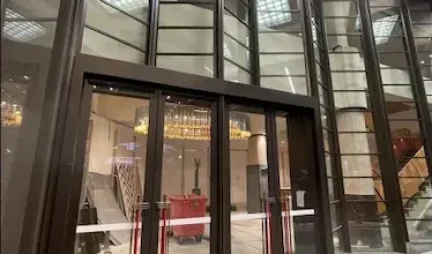
Siliconefinishers provides professional window and door sealing to block drafts, water leaks, dust, and noise. Our durable sealants improve comfort, energy efficiency, and deliver a clean, long-lasting finish.
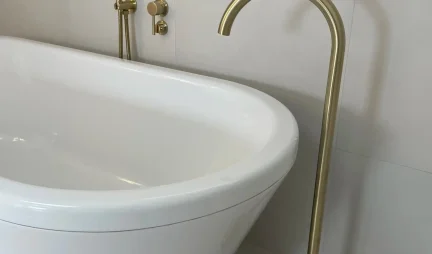
Seal gaps and joints around bathrooms, kitchens, windows, and doors. It helps prevent leaks and drafts while improving comfort and providing a neat, long-lasting finish.
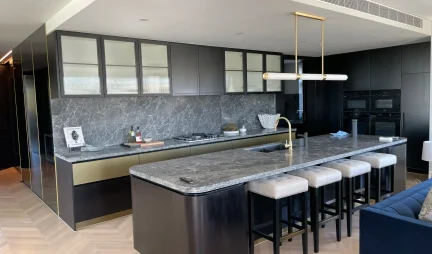
Siliconefinishers provides fire rated caulking to seal joints and penetrations with certified materials that help slow the spread of fire and smoke. It improves safety, compliance, and delivers a clean, durable finish.
Frequently Asked Questions
Here are a set of FAQs that can answer the questions about silicone sealants in you your mind.
What are some benefits of caulking stone surfaces?
Caulking is done to maintain the aesthetic and durability of stones by avoiding damages from water, getting stainages, and wearing processes that reduce the lifespan
Which type of caulk is recommended for stone surfaces?
A Neutral Cure Silicone with Hybrid Polymers. This sealant gives the flexibility and strength without discoloration.
What are the benefits of professional caulking over stone surfaces?
Instance Durability since it improves aesthetic values, protects from moisture, mold and structural damages for long-term preservation.
Get a Free Quote
Contact Us for friendly customer service and prompt responses to all your inquiries!